
GDansk
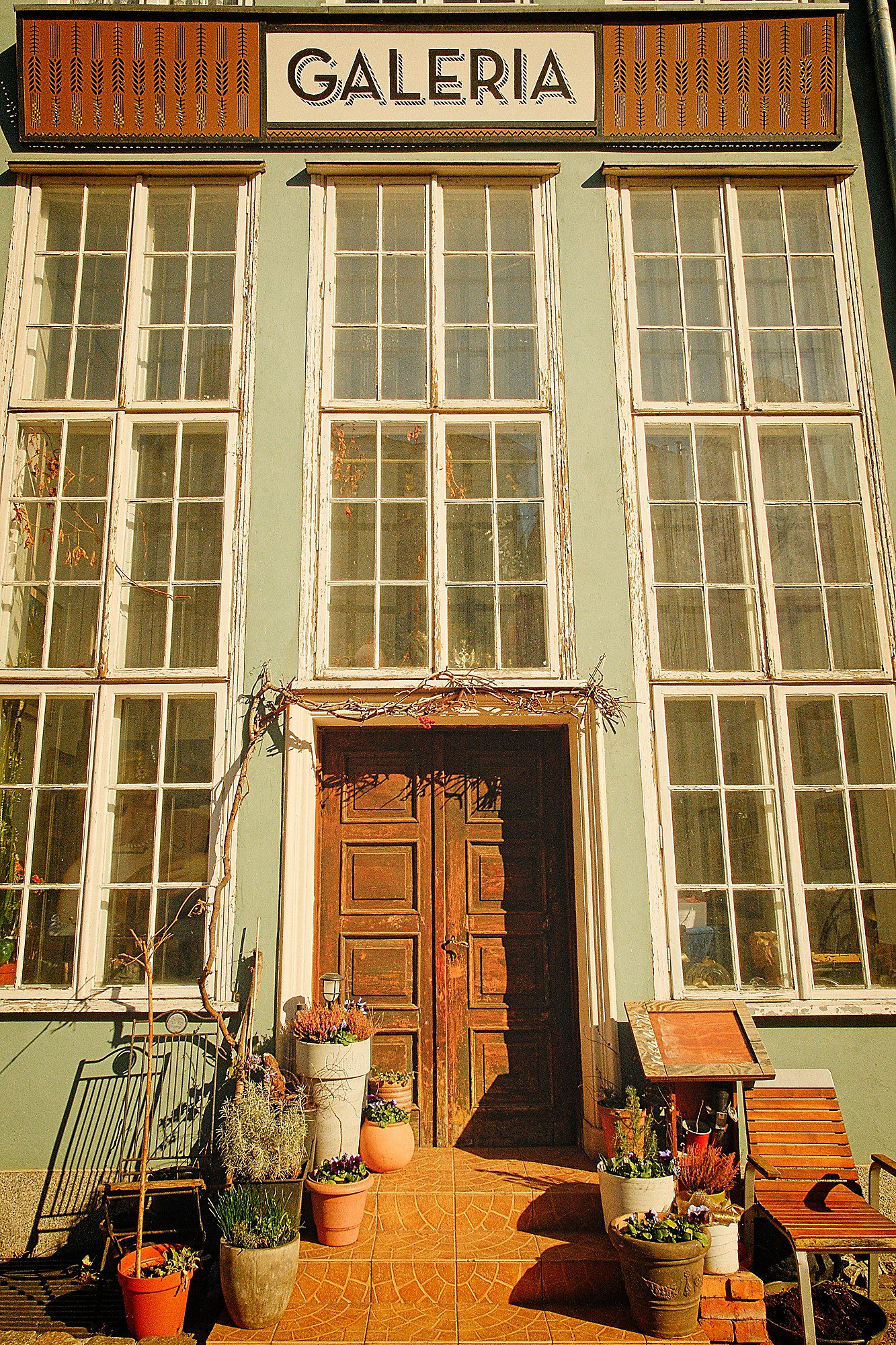
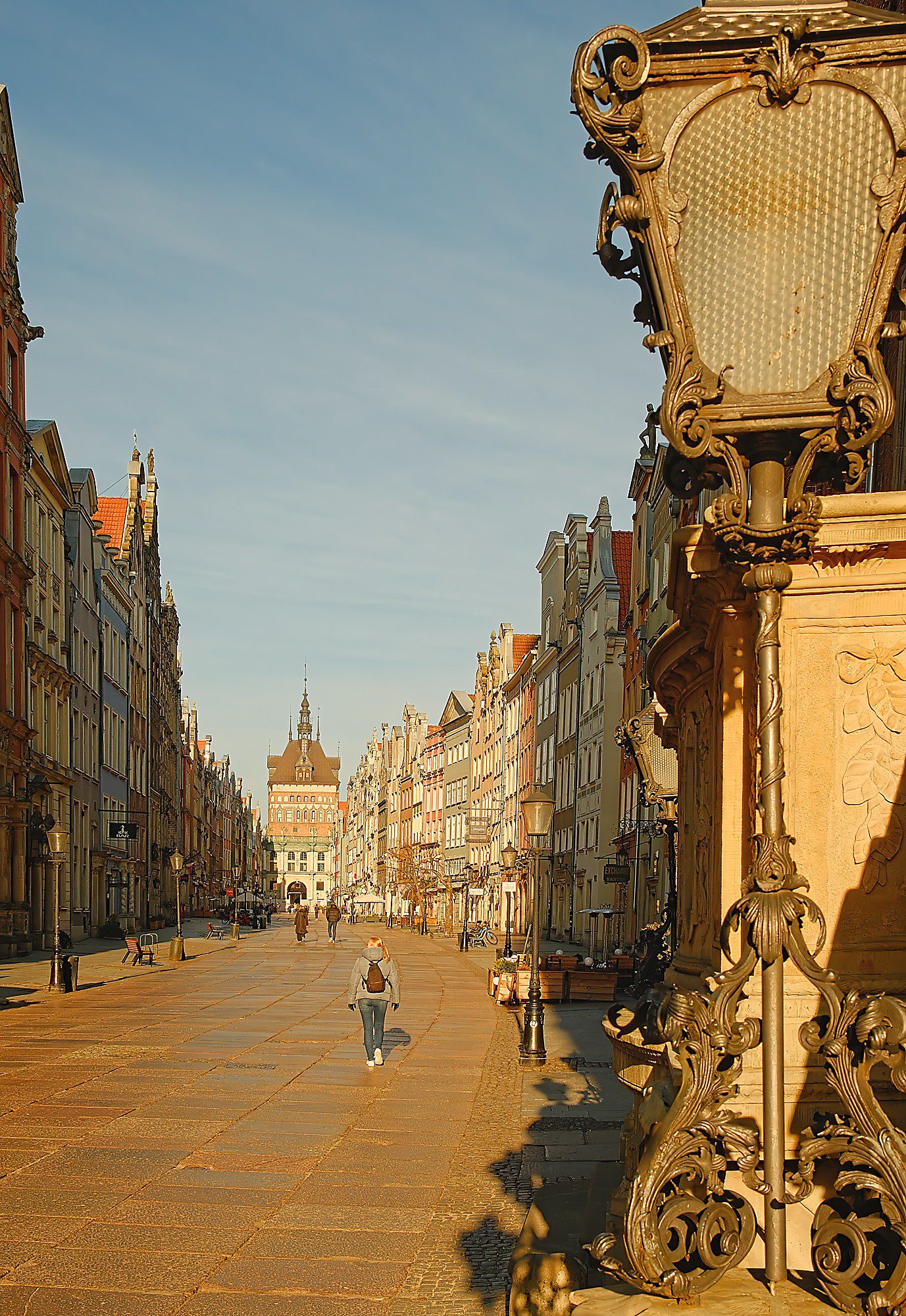
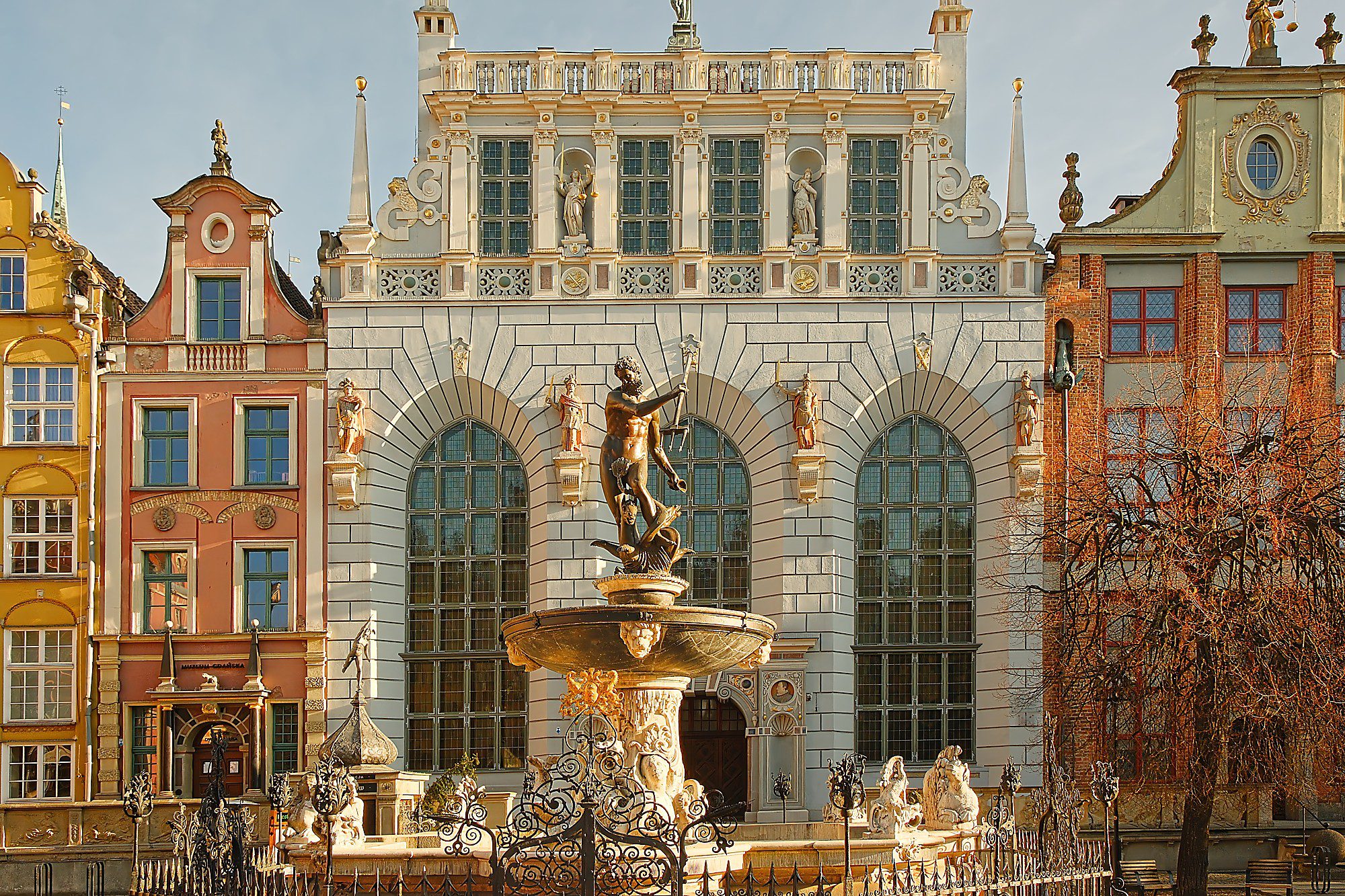
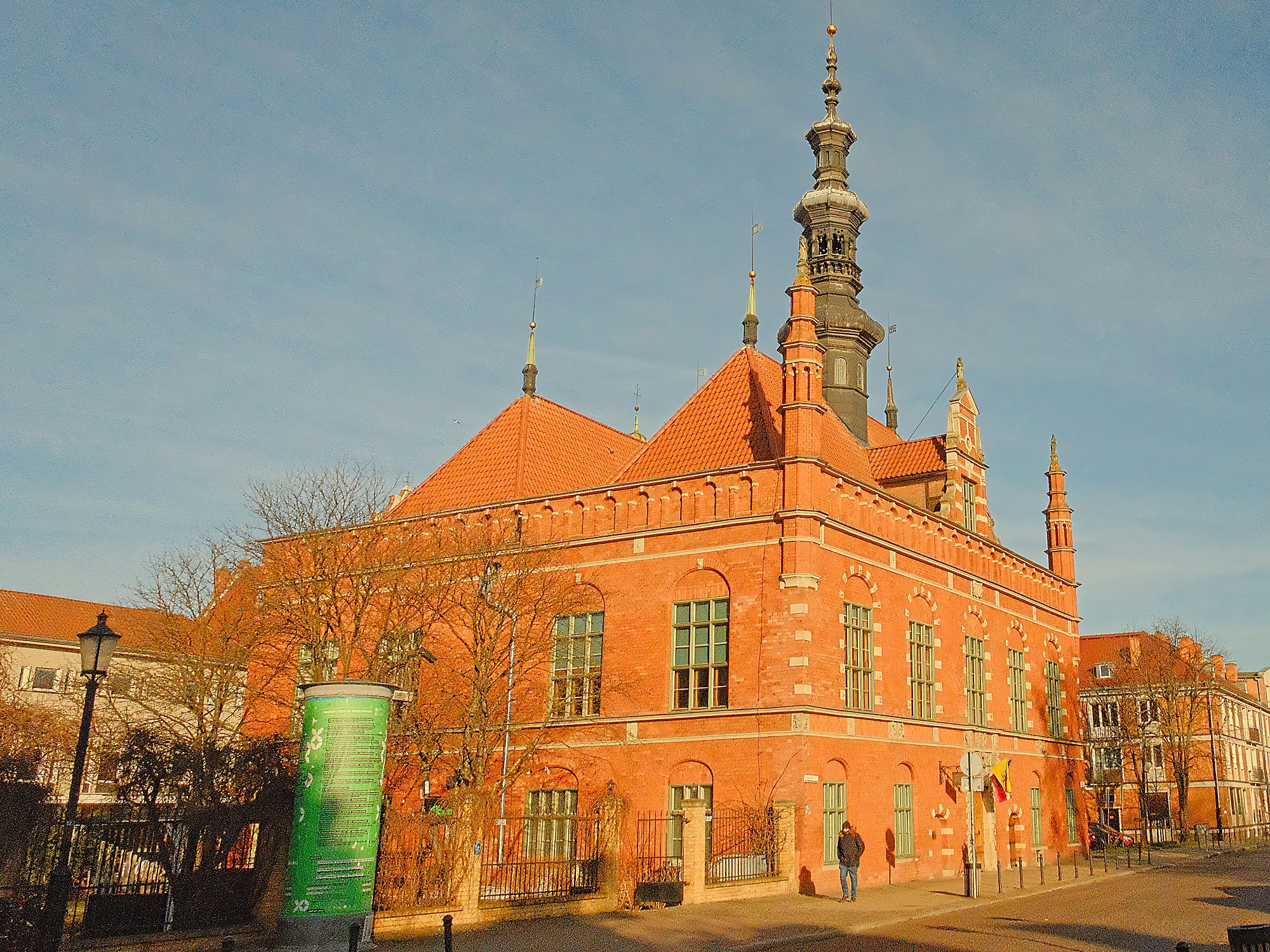
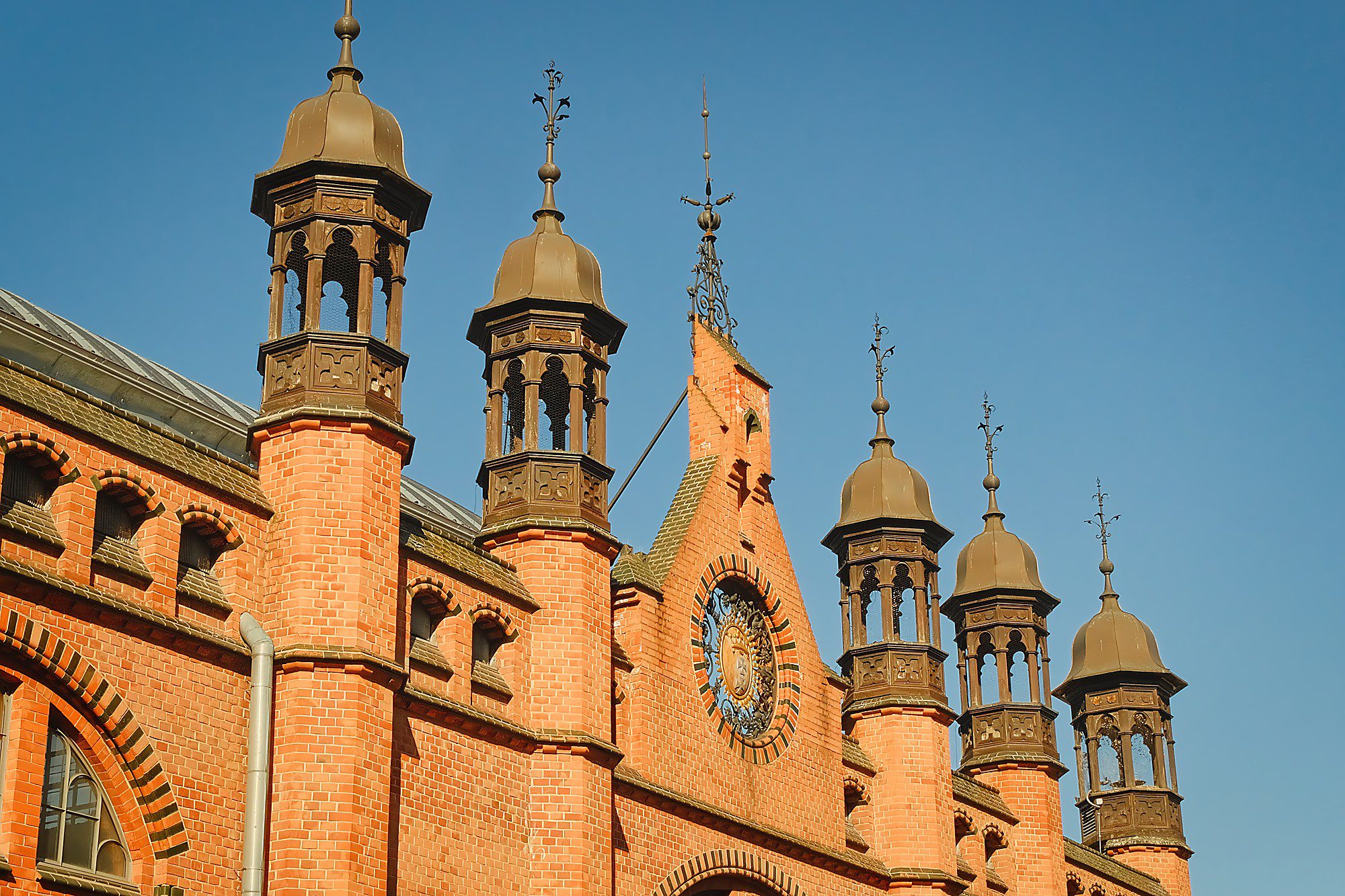
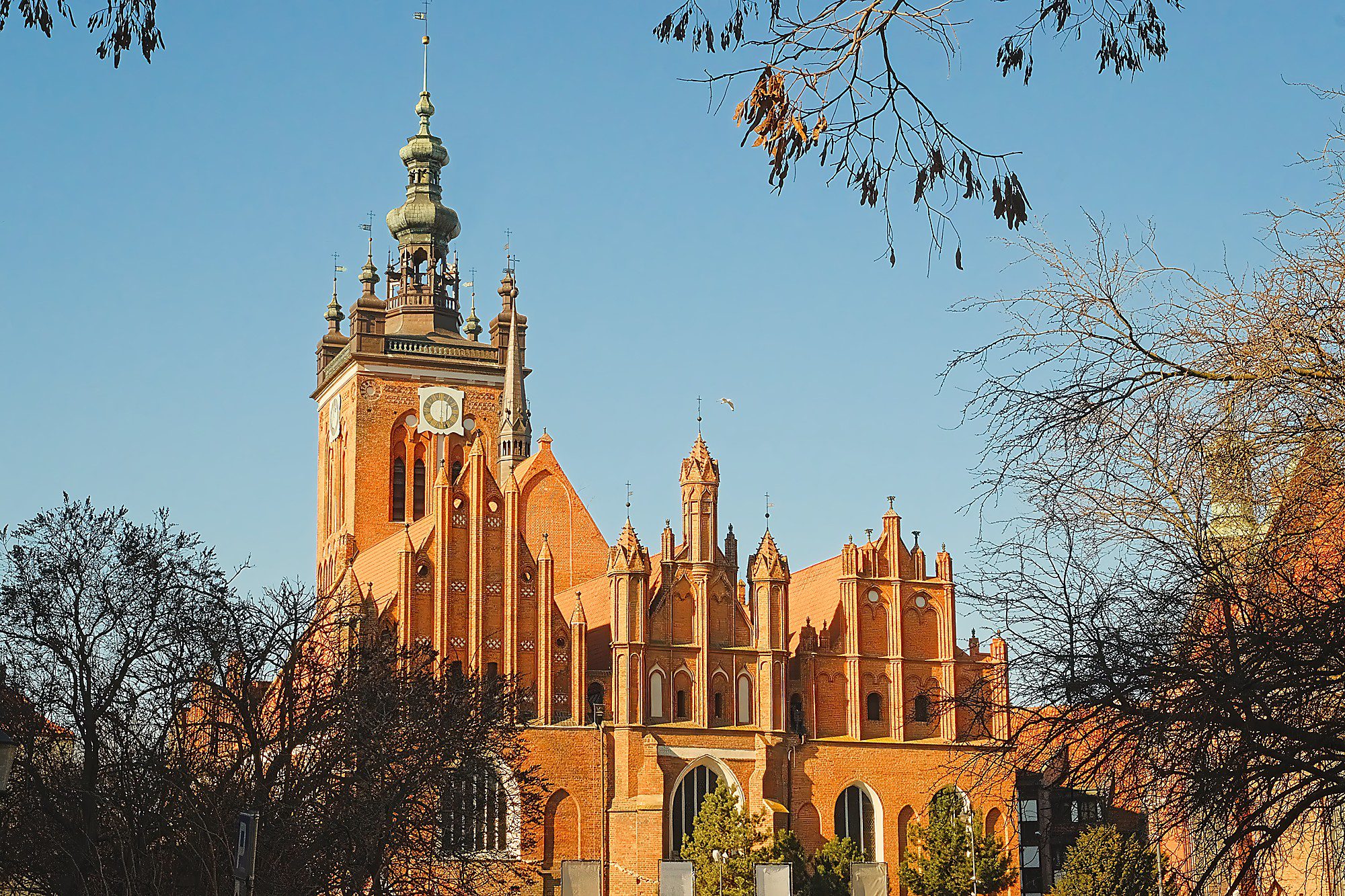
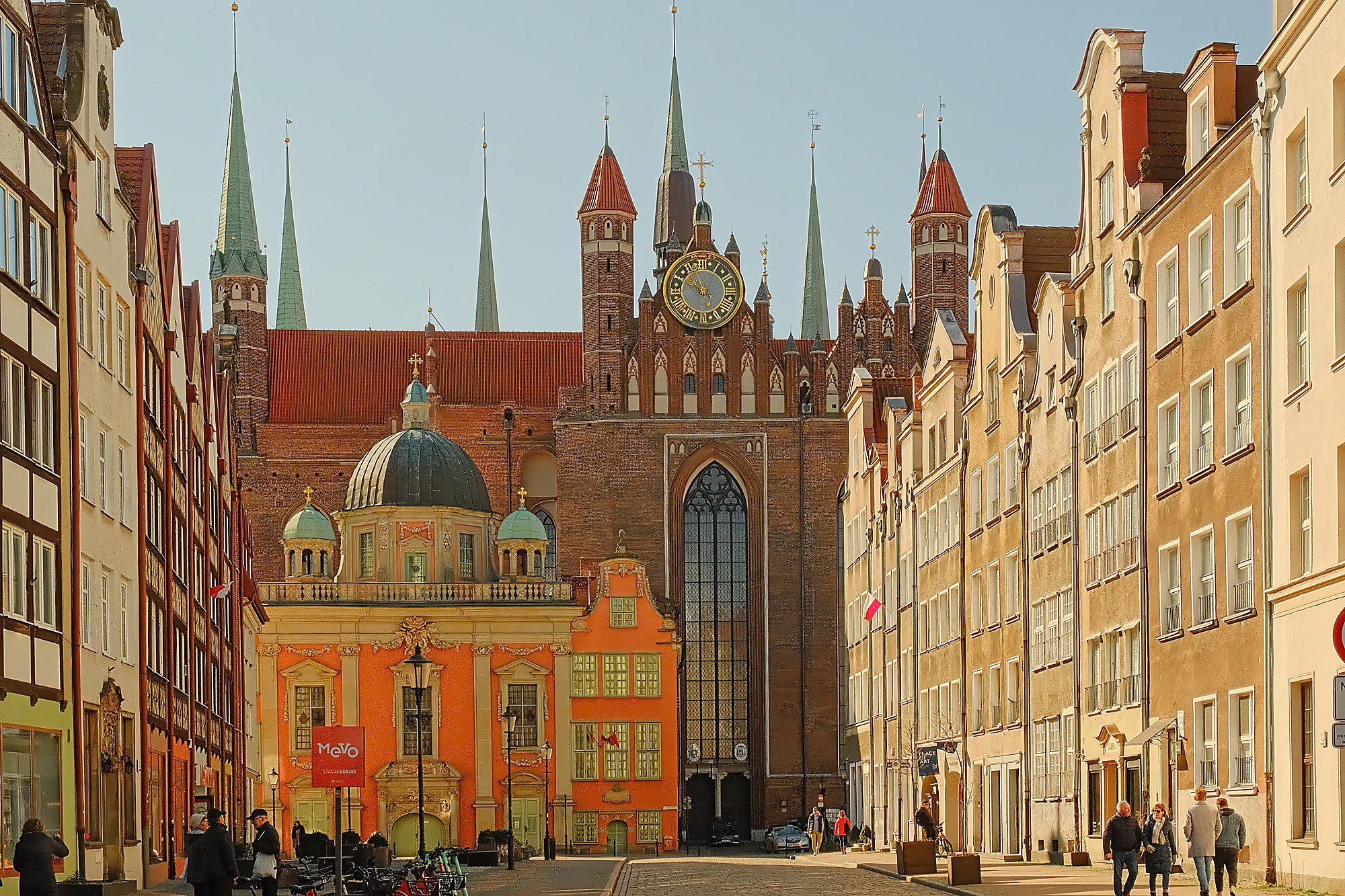
Though the architecture of the Main Town suggests a deep, unbroken history, much of the landscape is a precise post-war reconstruction. Following the near-total destruction of 1945, the city was rebuilt in its traditional Hanseatic style, reclaiming its identity as a major Baltic port.
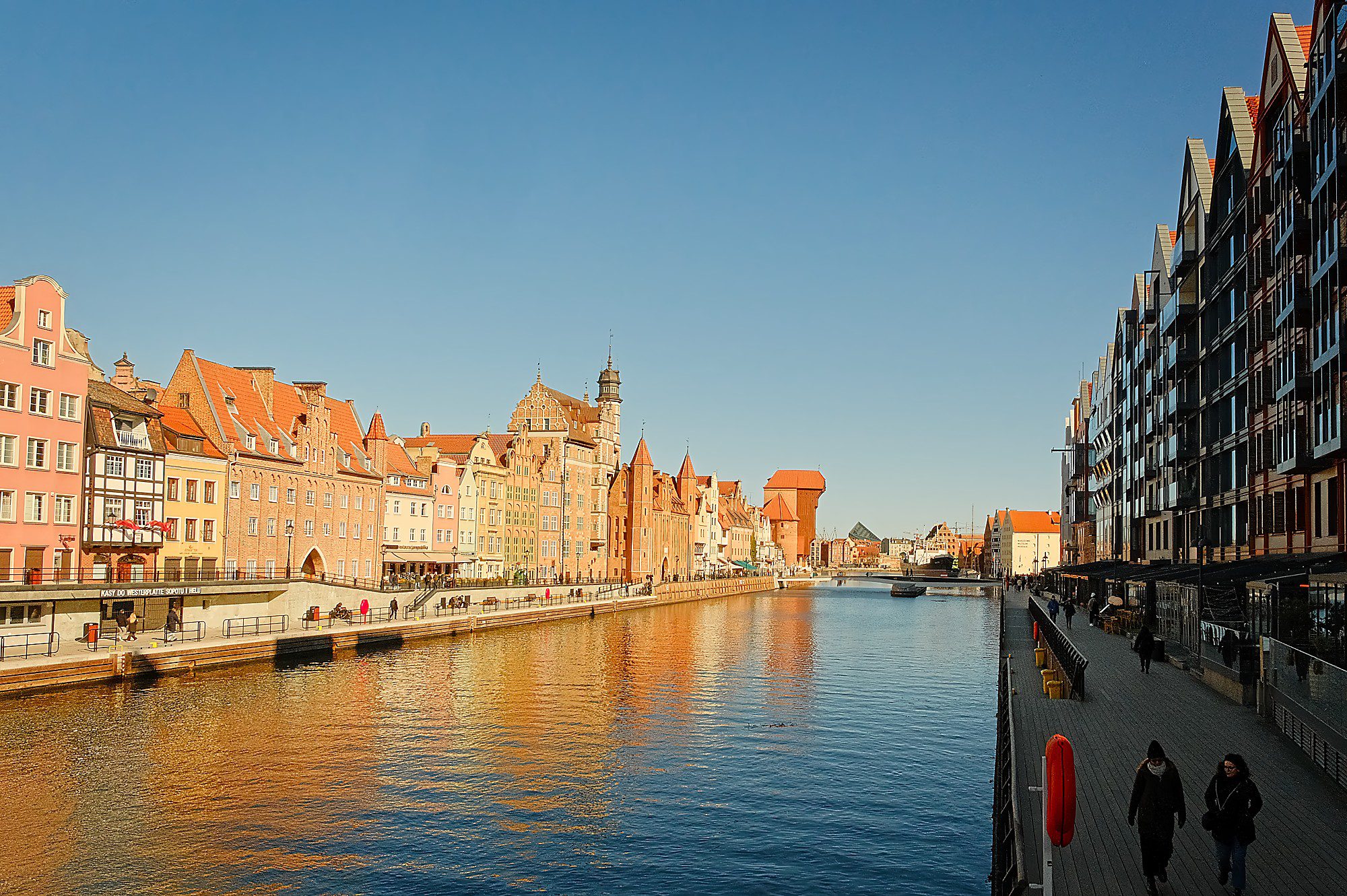
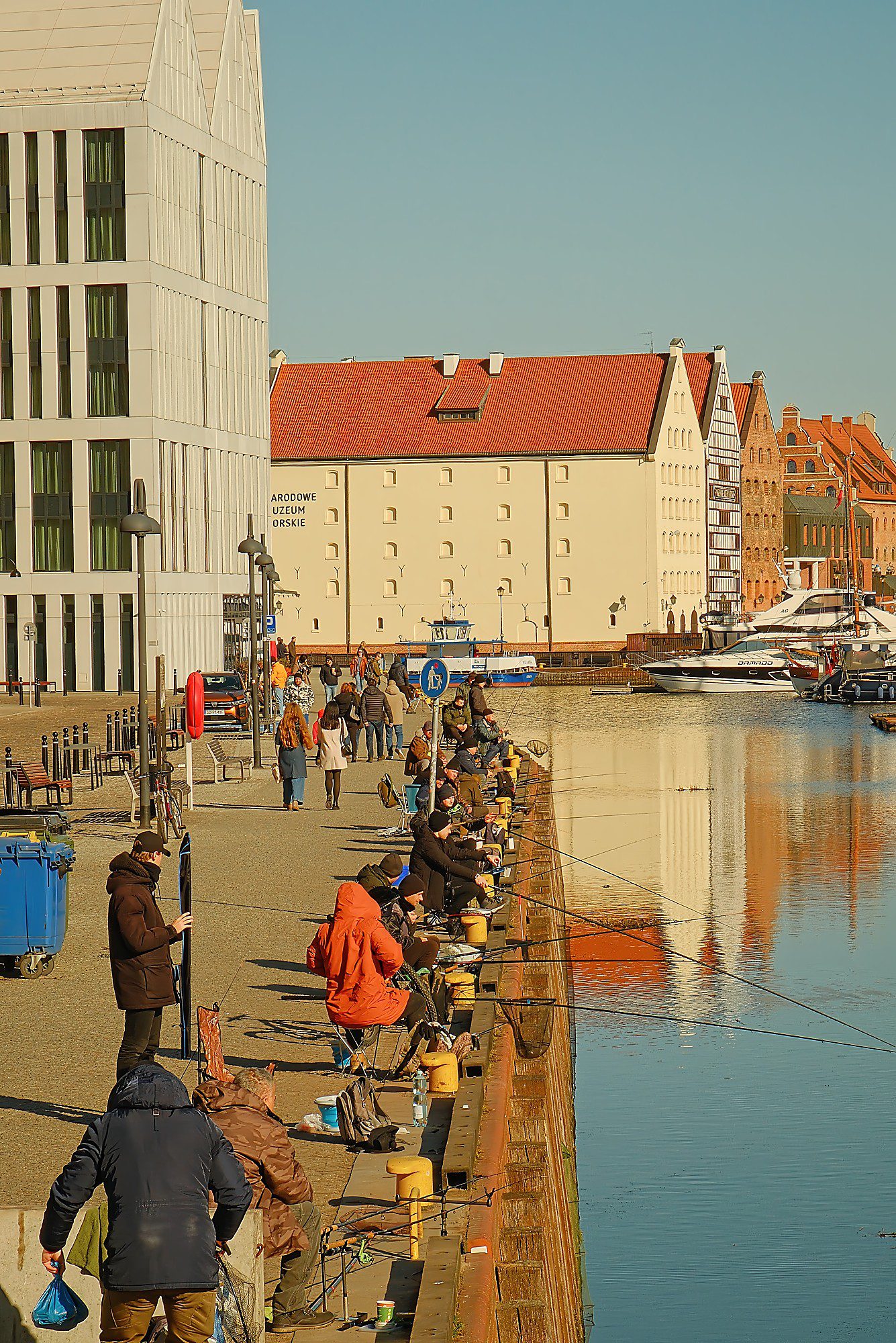
Today, the Royal Route and the Motława waterfront serve as the city’s cultural spine, where Dutch Mannerist gables and Gothic brickwork provide a backdrop to daily life along the canal.
Solidarity
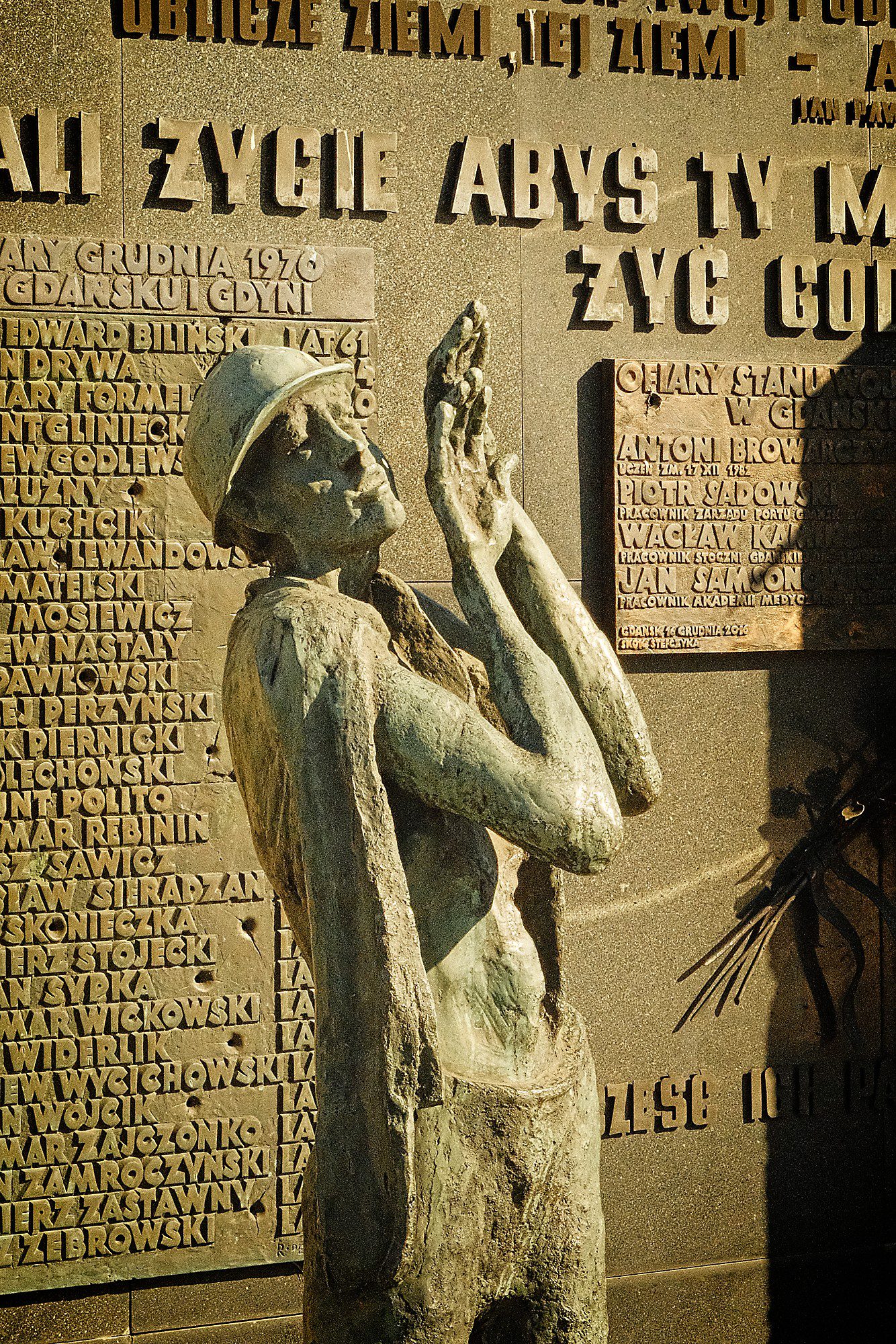
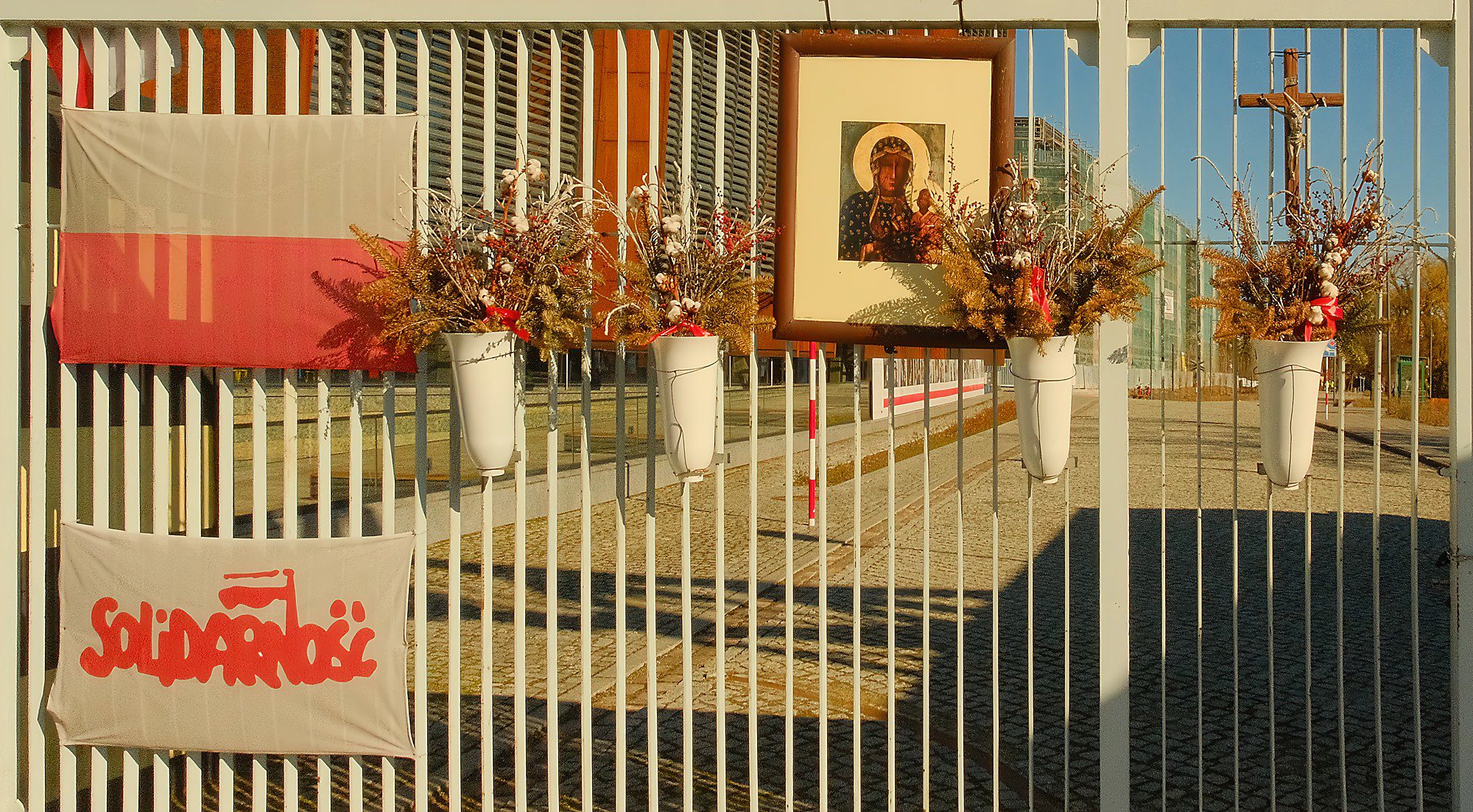
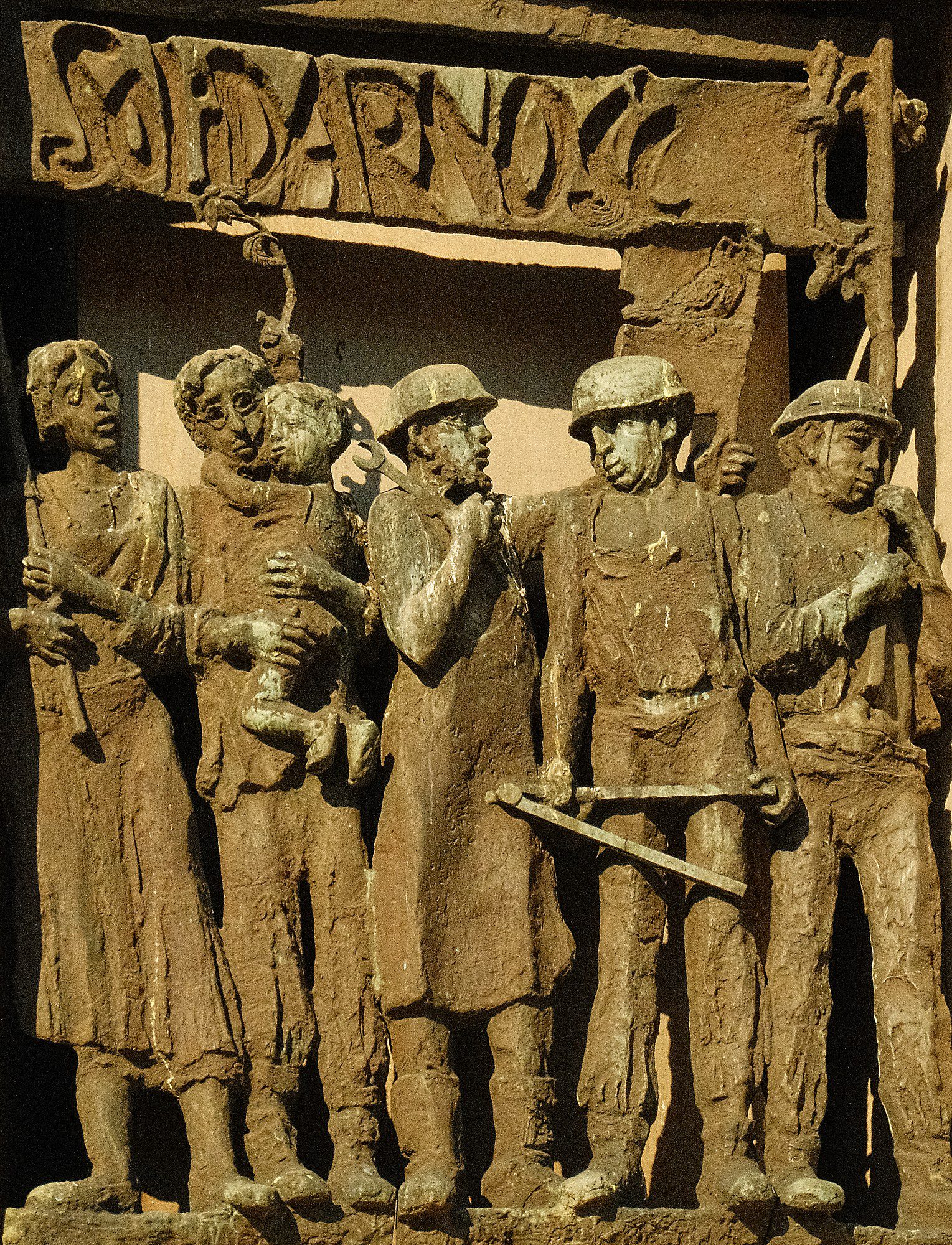
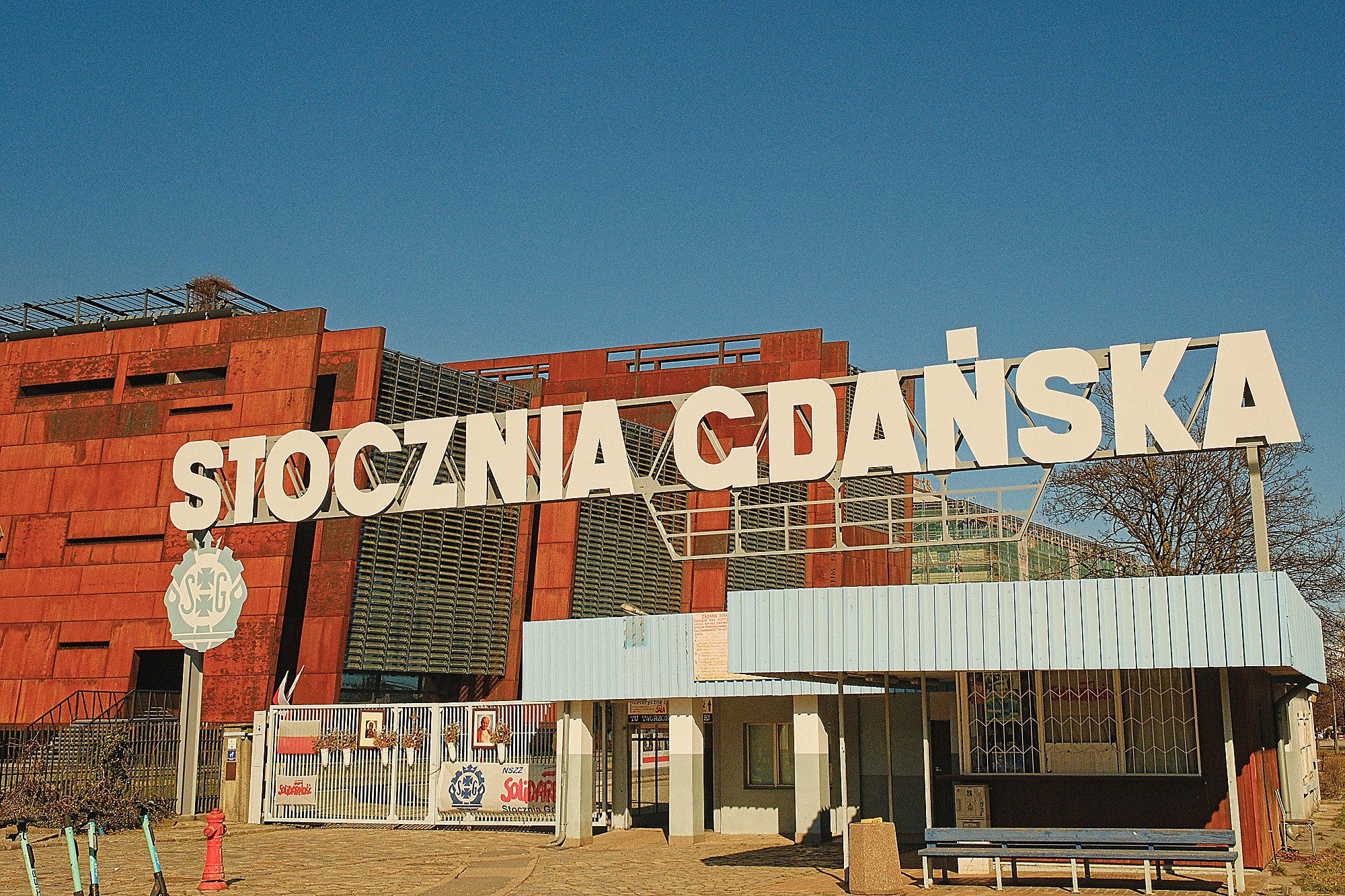
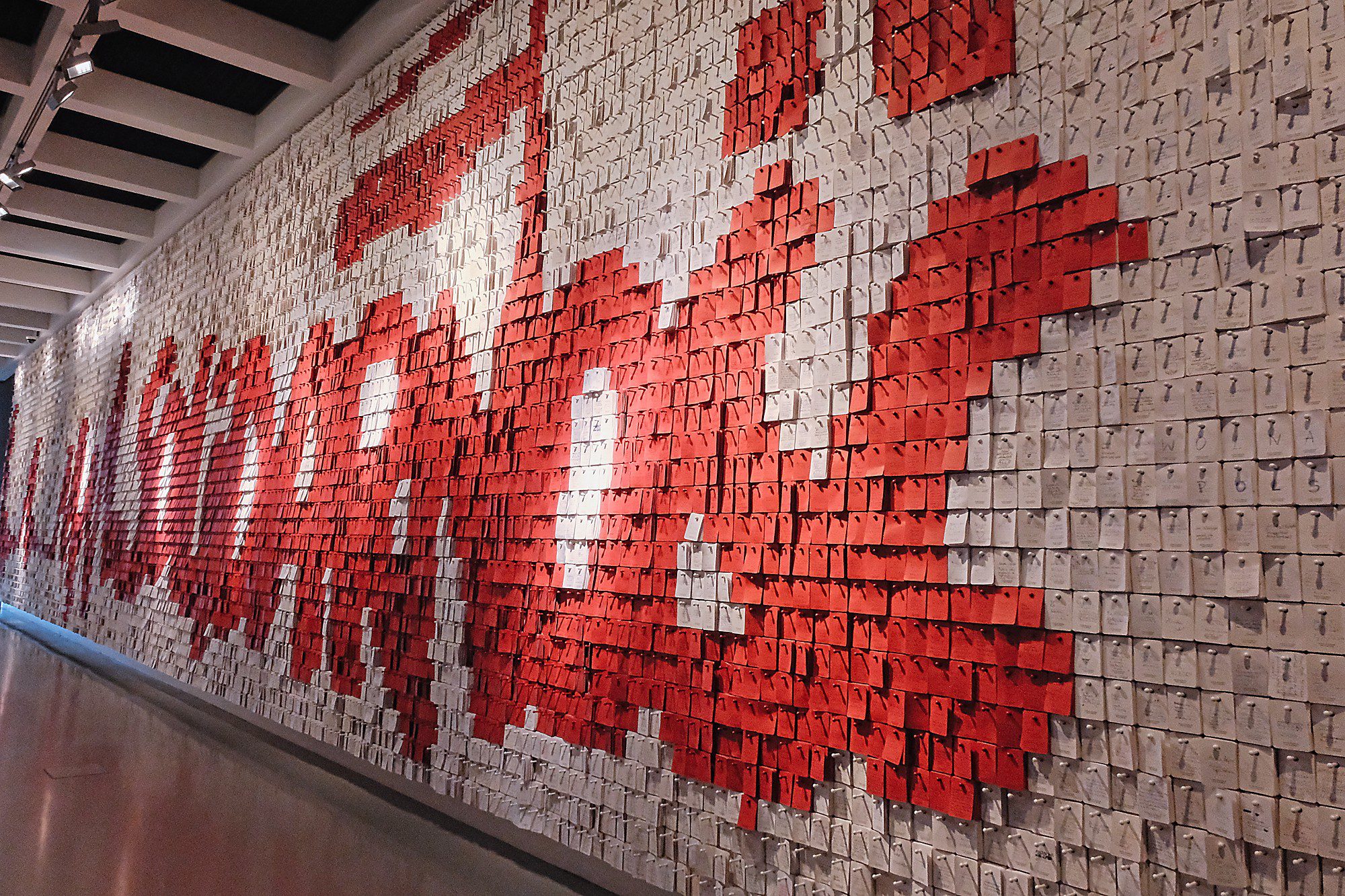
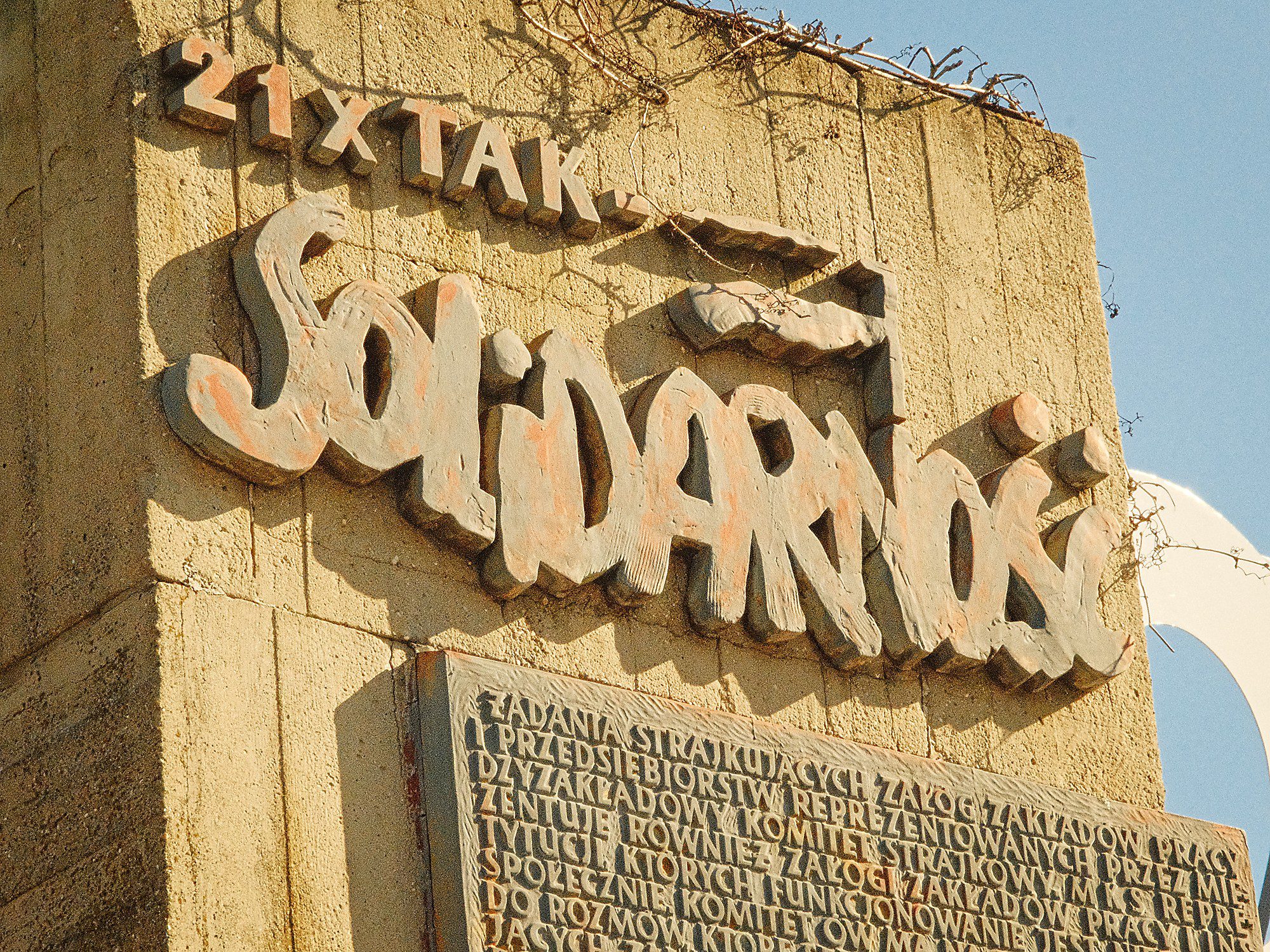
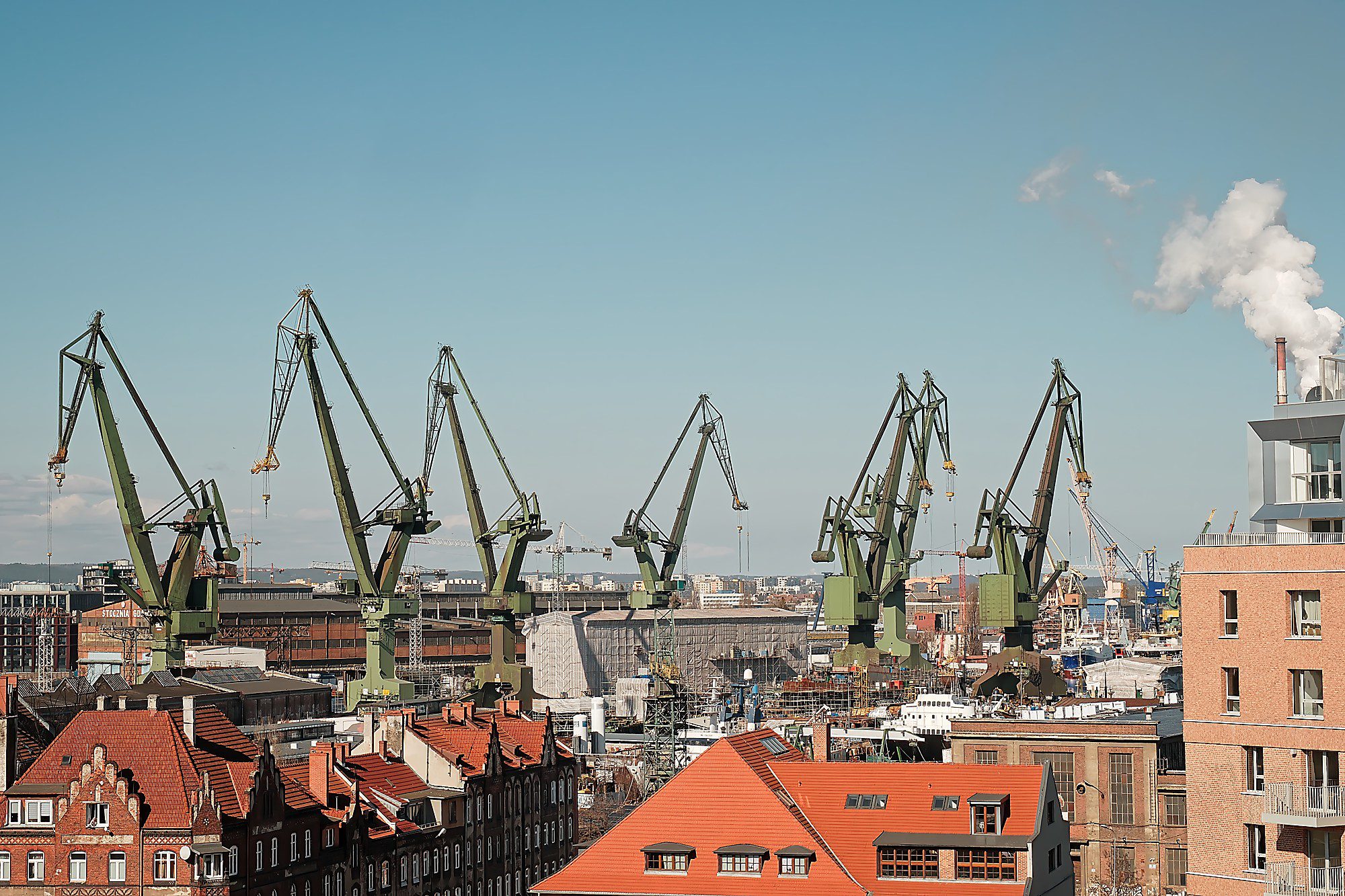
North of the city center, the landscape shifts from brick to steel. The Gdańsk Shipyard remains the industrial heart of the region, but it is better known as the birthplace of the Solidarity movement.
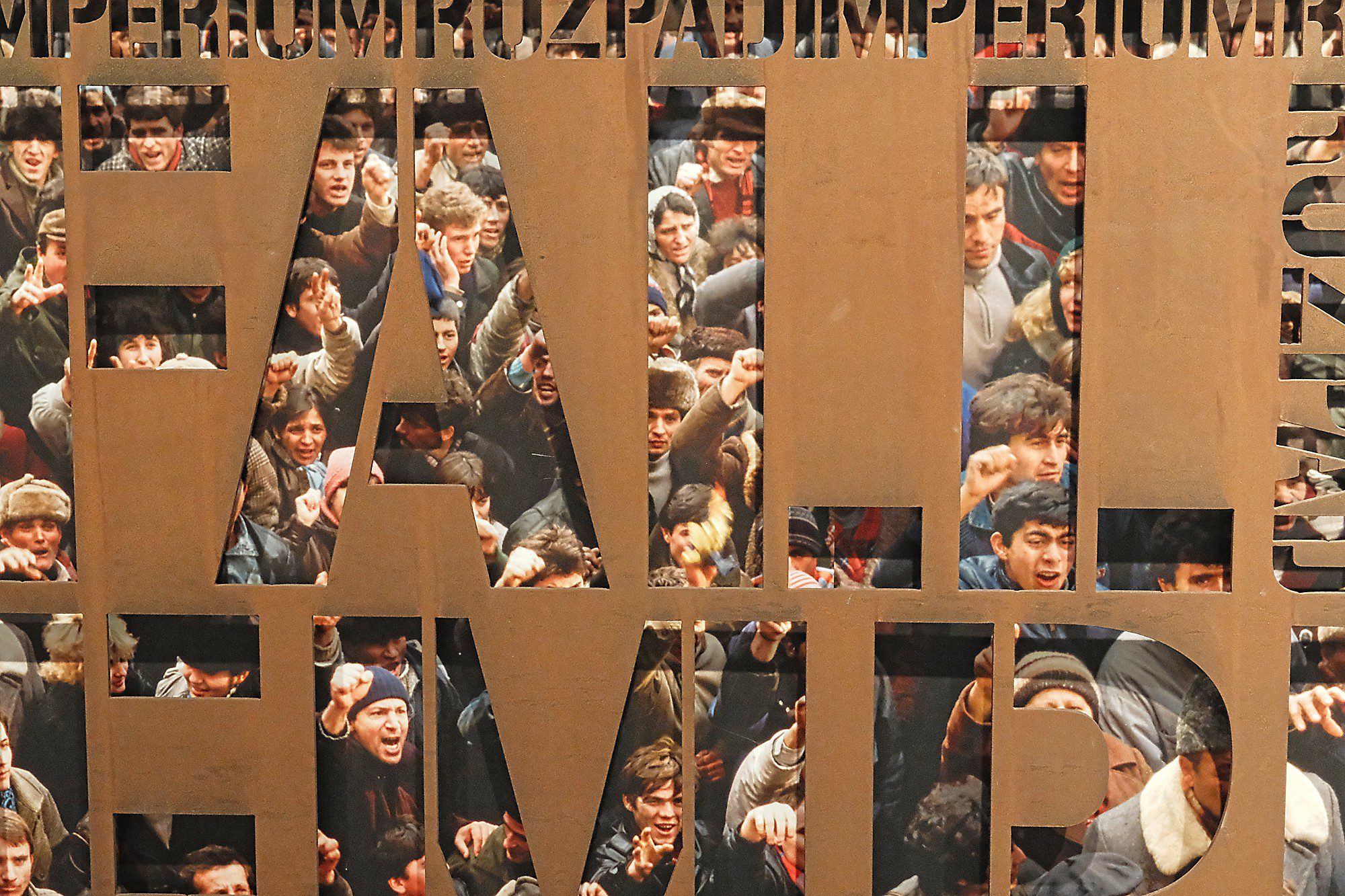
In August 1980, workers at Gate No. 2 initiated a series of strikes that eventually led to the fall of the Soviet bloc in Eastern Europe.
The rusted cranes and monumental gate now stand as permanent markers of that political shift, bridging the city’s industrial past with its role in modern history.
Solidarity
North of the city center, the landscape shifts from brick to steel. The Gdańsk Shipyard remains the industrial heart of the region, but it is better known as the birthplace of the Solidarity movement.
In August 1980, workers at Gate No. 2 initiated a series of strikes that eventually led to the fall of the Soviet bloc in Eastern Europe.
The rusted cranes and monumental gate now stand as permanent markers of that political shift, bridging the city’s industrial past with its role in modern history.